
If you are reading this, you or a friend is likely in a difficult situation, experiencing the draw of a title like Fishin Frenzy Slot while also understanding you require assistance. That gap between recognizing the problem and finding support can feel lonely. It becomes even more difficult when you encounter waitlists. Looking for this help is a bold and vital step. I’ll walk you through how addiction support works in Canada, not as some remote authority, but as someone who understands how overwhelming the system can be. We’ll look directly at the truth of counseling wait times, talk about things you can start doing today, and describe paths to sustained recovery. We’ll maintain the real-world side of getting help in Canada in sharp focus. My objective is to give you knowledge and practical steps you can take, so that waiting for help feels less like being stalled and more like a period of proactive readiness.
Complimentary and Budget-friendly Help Resources Offered Throughout the country
Canada has a network of free and low-cost services for problem gambling. Using them is critical while you wait for one-on-one counseling. A good starting point is the Canadian Centre on Substance Use and Addiction (CCSA) website. It provides resources and links to provincial services. Every province and territory has a responsible gambling organization. Think of ConnexOntario, Alberta’s Addiction Helpline, or BC’s Responsible & Problem Gambling Program. These agencies provide free, confidential advice and referrals. Some even deliver short tele-counseling sessions. Many provide free online tools like moderated forums, educational courses, and self-assessment tests. Don’t overlook community health centers either. They often have addictions counselors on staff or can point you to someone, sometimes with shorter waits than specialized clinics. Also, look into your workplace. Some employee assistance programs offer counseling sessions for gambling addiction. Exploring all these avenues can often link you to professional support faster than relying on one single referral.
Creating Your Personal Support Network
Professional help is a vital part of recovery, but your personal support network is the foundation that holds everything steady. While waiting for counseling, focus on building this network. This doesn’t involve telling everyone your business. It requires carefully picking a few trusted people—a partner, a family member, a close friend—and allowing them in. Be specific about how they can help. Maybe you need an accountability partner for daily check-ins. Maybe you need someone to hold onto some extra cash for you. Or maybe you just need a person to call when you feel alone. At the same time, consider stepping back from social circles or online groups where gambling is a normal topic. Seek out recovery-focused communities instead, like Gamblers Anonymous or online recovery forums. Building this network chips away at shame, creates practical safeguards, and shows you that you aren’t alone. It turns the idea of support into something concrete you can experience every day.
The function of Online and Remote Support
Internet-based and telemedicine therapy has changed the game for addiction support in Canada. This is especially true for individuals in remote areas or stuck on long waitlists. These programs let you access a licensed therapist using secure video, phone, or text. Private platforms like BetterHelp, Talkspace, or Maple may have addiction specialists, but you pay out of pocket. More importantly, many regional healthcare systems now deliver virtual care. Ontario’s Structured Psychotherapy Program, for example, delivers virtual cognitive-behavioral therapy for various issues, which can encompass problem gambling. The strengths are obvious. You save travel time, you can typically book appointments more conveniently, and you could find a professional you wouldn’t have access to locally. Just ensure any service you select complies with Canadian privacy laws (PIPEDA) and that the clinician is licensed to operate in your province. Telehealth can be a valuable stopgap or even a permanent option, delivering proven therapy right in your house.
Sustained Recovery Paths After Counseling
Formal treatment is a strong launchpad, but long-term rehabilitation is a journey that persists far past therapy finishes. After therapy, your goal is to incorporate the techniques you learned into your everyday life. It typically entails some type of ongoing upkeep. You might go to occasional “booster” therapy sessions or keep active in a peer group like GA for years. Pursuing new interests and community engagements that provide you purpose and relationships is essential. They occupy the gap that gambling used to hold. Keeping up with financial accountability, perhaps with some long-term structures in place, remains important. You’ll additionally become more skilled at recognizing your unique triggers—anxiety, loneliness, certain environments—and using more adaptive ways to manage. Recall, relapse might be part of the journey. It doesn’t mean you lost ground. It’s a signal to reach back out to your system of support and adjust your strategy. Long-term recovery is about building a resilient, satisfying life where gambling no longer have a primary or harmful role any longer.
Understanding Problem Gambling and Online Slots
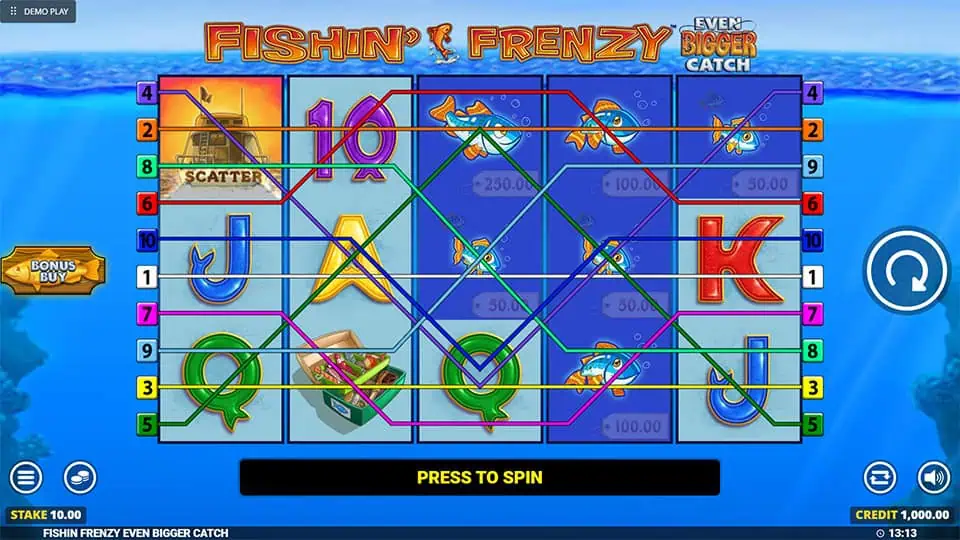
First, let’s be clear about what this is. Problem gambling isn’t a simple shortage of willpower. It’s a acknowledged behavioral addiction where the drive to gamble becomes compulsive and destructive, even as it causes harm. Games like Fishin Frenzy Slot are designed to lure you in. They use vivid colors, straightforward gameplay, and the possibility for quick, repeated spins. Those infrequent wins mixed in with many losses trigger a dopamine hit in your brain, which reinforces the behavior. This can start a cycle where you’re not playing for fun anymore. You might be running after losses, trying to flee stress, or looking for that brief rush of excitement. This is a major issue in Canada, affecting people and families from all walks of life. Recognizing the signs in yourself is essential. Do you dwell about gambling all the time? Do you require to bet more money to feel the same thrill? Have you misled about your gambling or felt frustrated when you tried to stop? Seeing these patterns is the critical first step that directs you to search for counseling and support.
Urgent Support Strategies While You Wait
Your journey doesn’t stop just because you’re on a waitlist for formal counseling. This is the time to create your own toolkit with strategies you can use straight away. Begin with self-exclusion. In Canada, you can self-exclude from specific online casinos like the one hosting Fishin Frenzy Slot. You can also use provincial programs like Ontario’s PlaySmart or BC’s Responsible Gambling Program. These restrict your access to licensed sites and physical casinos, creating a necessary barrier. Next, utilize the 24/7 helplines. They are not only for emergencies. You can call to discuss a craving or just to get a friendly voice that understands.

- Reach a National or Provincial Helpline: Phone the Canada-wide Problem Gambling Helpline at 1-888-230-3505. It’s confidential and they can provide referrals. Provincial lines offer the same service but with local knowledge.
- Apply Financial Controls: Transfer control of your finances to someone you trust. Use prepaid cards with strict limits, or activate online banking blocks to prevent transactions to gambling sites.
- Attend a Peer Support Group: Go to a Gamblers Anonymous meeting, online or in person. Hearing other stories and sharing your own provides real relief and fosters accountability.
- Apply Mindfulness and Distraction: Have a “distraction list” ready for when an urge hits. Walk, call a friend, focus on a hobby. Simple mindfulness can help you recognize the craving without having to act on it.
Measures like these help you regain a sense of control. They demonstrate to you that you can manage this waiting period.
FAQ
Tell me the first action I should do if I think I have a problem gambling with titles such as Fishin Frenzy Slot?
The initial step is to recognize the problem to yourself, without self-criticism https://fishinfrenzycasino.ca/. Then, immediately put up a barrier. Opt out of that specific casino site and from your region’s internet betting site. Next, contact a support line. The nationwide Problem Gambling Helpline at 1-888-230-3505 is a good choice. The person on the other end provides private assistance and can direct you to nearby services. They aid you in clarifying the initial uncertainty and develop a course of action.
Are there waitlists for gambling treatment shorter for private pay options in Canada?
Generally, yes. Private therapists or counseling practices that you pay directly generally have far shorter waiting times. You might get an appointment in a week or two, compared to months for publicly funded programs. Price is an obstacle, but some counselors adjust fees according to your earnings. Moreover, examine your employee health coverage. Your workplace wellness program or supplementary insurance might cover sessions with a registered social worker or psychologist who knows about addiction.
Can I obtain assistance for a family member’s gambling addiction in Canada?
Absolutely. Help services like Gam-Anon are specifically designed for family and friends affected by a loved one’s gambling. Provincial helplines give recommendations on discussing with your relative, define healthy boundaries, and protect your own mental health. You can learn about intervention strategies and receive referrals for family counseling. This matters, because gambling addiction affects the whole family.
How does Gamblers Anonymous (GA) differ from professional counseling?
GA is a free, peer-led group using a 12-step framework. It provides community, shared stories, and ongoing mutual support. Professional therapy is individual or group therapy with a trained clinician. They use evidence-based methods, like cognitive-behavioral therapy, to work on the core cognitions, actions, and triggers. The two complement each other. A lot of people rely on GA for long-term community and friendship, while seeking therapy for structured clinical work.
How effective are online self-exclusion tools for sites like Fishin Frenzy Slot?
These represent a critical and valuable first step, but they aren’t a magic fix. When you self-exclude through a proper provincial program, licensed operators like the one running Fishin Frenzy Slot must legally block your account and stop sending you ads. But if someone is determined, they might try to find unregulated offshore sites. So self-exclusion works best when you combine it with other financial controls and personal accountability measures. It should be one part of a bigger plan.
Should I relapse after starting counseling, does it mean the treatment failed?
Absolutely not, a relapse does not mean failure. Changing behavior is almost never a straight line. In addiction treatment, a relapse is often seen as a chance to learn. It can show you triggers you missed or needs you haven’t addressed. What matters is what you do next. Contact your counselor or your support network right away. Look at what led to the relapse without shame, and then adjust your strategies. Sticking with it and being kind to yourself after a setback are key parts of making recovery last.
Monetary and Legal Protections to Implement Immediately
The most tangible damage from problem gambling is typically financial. That’s why setting up legal and financial safeguards in place is a step you must not ignore. Start by obtaining a copy of your credit report so you are aware of exactly what you owe. Communicate to your bank and credit card companies. You are able to ask them to limit cash advances, set lower daily withdrawal limits, or block payments to known gambling merchant codes. Contemplate designating a trusted relative as a financial power of attorney, providing them control over your accounts for a set time. On the legal side, you are able to employ self-exclusion contracts with gambling providers in Canada. While employing them to recover losses in court is complicated, they serve as a critical behavioral block. If you have shared debts or assets, having an honest talk with the people involved is tough but necessary. It can stop bigger legal problems later. Consulting a non-profit credit counseling service, like Credit Canada, can aid you in create a debt management plan. These steps are hard, but they can be empowering. They protect your future and establish the stable ground your recovery needs to grow.
The Hard Facts of Counseling Wait Times in Canada
A difficult aspect of reaching out for support is the queue. Let’s be honest. Across large areas of Canada, wait times for publicly funded addiction counseling are long. You might wait weeks or even months. This stems from elevated demand, limited specialized services, and variable healthcare budgets across areas. It feels bitterly unfair. You gather the courage to ask for help, only to be put on hold. This waiting period can be risky. Emotions of anger or despair might raise relapse risk. Yet knowing the cause of these waits is valuable. This doesn’t imply your pressing need is overlooked. It’s a systemic issue. The trick is to not see this time as empty or passive. Rather, see it as a stage to utilize alternative forms of support, as I’ll outline shortly. Your recovery begins when you decide to change, not when you first meet a counselor.
What causes waitlists
Waitlists primarily reflect a gap between available resources and need. More people want specialized, often subsidized, counseling than there are clinicians trained in gambling addiction. Provincial healthcare systems must rank cases they consider urgent, and the threshold for a gambling “crisis” is often elevated. Moreover, resources for behavioral addictions like gambling have typically been more limited than for substance addictions, though that trend is now reversing. Where you live makes a big difference. Urban areas generally offer more choices than rural communities. Lastly, the assessment procedure itself requires time. Providers aim to pair you with the therapist most suited to your unique circumstances. This matching process may be aggravating, yet it is intended to ensure you receive the most effective treatment eventually.